


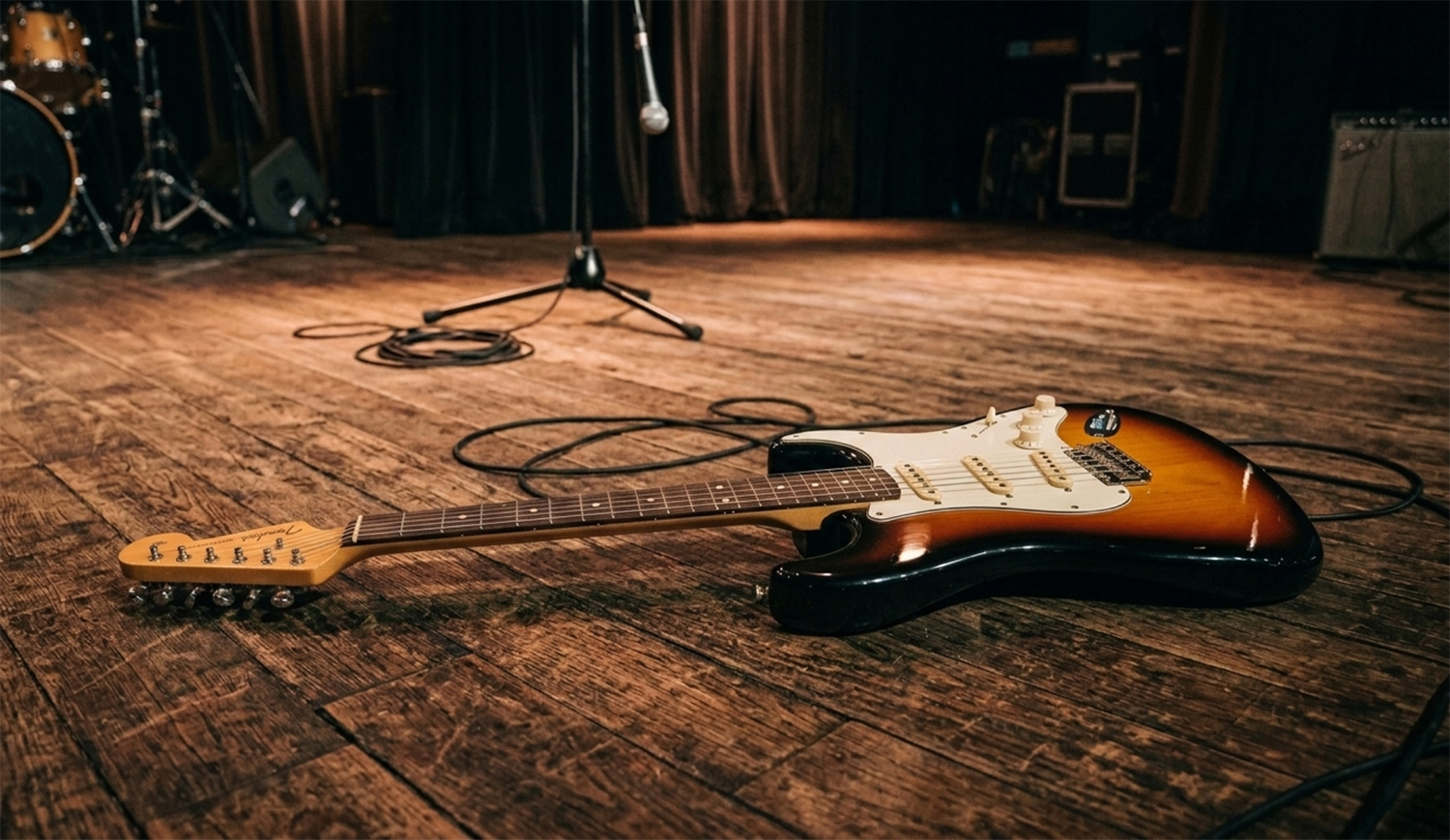
What is indie music? It sounds like a simple question, yet it is one of the most misunderstood terms in modern music.
Most of us know that “indie” is short for “independent.” If you want to be strict about the definition, indie music refers to music produced outside the major commercial record label system. Traditionally, it was music created with a do-it-yourself ethos, where artists retained creative control over everything from songwriting and recording to artwork and release schedules.
In its original sense, indie was less about how the music sounded and more about how it was made.
That distinction matters. Independent artists often worked with limited budgets, which meant fewer expensive producers, smaller studios, and less commercial pressure. The result was frequently a more direct, unpolished sound that reflected the band’s own vision rather than the expectations of a corporate marketing department. Releases could appear whenever the artist felt they were ready, not when a quarterly sales target demanded them.
For many people, “indie” simply meant unsigned.
When indie became a sound
This is where things become confusing, especially when scrolling through streaming services or social media. Today, indie can refer to everything from indie rock and indie pop to indie folk and countless hybrid genres.
Over time, listeners began associating the word with a particular sonic palette: guitar-driven songs, melodic hooks, intimate vocals, and a sense of authenticity. The rough edges that once resulted from low budgets became, in some cases, a deliberate aesthetic choice.
Think of music that feels as comfortable being played on an acoustic guitar in a bedroom as it does on a festival stage.
So, does indie music have a style? For many fans, yes. Indie has developed a recognizable visual identity as well: vintage clothing, thrift-store fashion, handmade artwork, and a broader DIY culture. Subcultures such as “indie sleaze” have drawn heavily from grunge, punk, and retro fashion, reinforcing the idea that indie is not only a musical category but also a cultural one.
A quick Spotify experiment
Out of curiosity, I typed “indie music” into Spotify. Unsurprisingly, it produced a large editorial playlist. Some of the artists included were:
- Nothing But Thieves (RCA / Sony Music)
- Mansun (Parlophone)
- Happy Mondays (Factory Records)
- The Snuts (Their own independent label Happy Artist Records in partnership with Virgin Music)
- Johnny Marr (BMG)
- The Streetlights (Frontiers Music SRL)
- The Kairos (LAB Records)
- Razorlight (Mercury Records)
- The Lilacs (Scruff of the Neck)
- Wunderhorse (Communion)
- Stereophonics (V2, Stylus, Ignition)
- Inhaler (Polydor / Universal Music)
- Sam Fender (Polydor / Universal Music)
- Pentire (formerly Scruff of the Neck, now independent)
- The Smiths (Rough Trade)
- Keo (Island Records)
- CQ Wrestling (Truth Records, previously EMI)
- The Clause (Independent)
The list is revealing, all great bands and singers, no argument there and some of these artists are fully independent, some are signed to independent labels, and others are released through major-label systems. But all still fir the genre.
During that search, I even came across the phrase: “The indie rock band The Lilacs are signed to the Manchester-based record label and music company Scruff of the Neck.”
The words indie and signed appearing in the same sentence would once have seemed contradictory. If indie originally meant independent, how can a signed band be indie?
The meaning has changed
The answer is that the meaning of “indie band” has evolved.
Today, the term often describes a musical aesthetic and cultural identity rather than a legal or financial structure. An artist can be distributed by a major label and still be described as indie if the music, presentation, and audience place them within that alternative tradition.
Streaming culture has accelerated this shift. Listeners discover artists through playlists, TikTok clips, YouTube sessions, and recommendation algorithms, not by checking who owns the label. As a result, indie has become a blanket descriptor for alternative, guitar-oriented, or artist-led music, regardless of the corporate arrangements behind the scenes.
In other words, indie has moved from being a business term to being a genre marker.
Why that is not necessarily a bad thing
From a fan’s perspective, the broader definition is actually useful. If you see an “indie night” advertised at a local venue, you probably have a pretty good idea what you are going to hear: guitars, singalongs, alternative classics, and contemporary bands that share a similar spirit.
Likewise, when an indie band signs a deal, it should not automatically be viewed as a betrayal of its roots. More often, it means the artist gains access to better recording facilities, touring support, promotion, and the logistical infrastructure needed to sustain a career. Signing a label deal does not erase the songs that made people care in the first place.
The romantic image of the permanently struggling independent musician may appeal to purists, but most fans including me, would rather see the bands they love continue to make records, tour, and grow.
The heart of indie still matters
So, what is indie music in 2026?
It is both an independent tradition and a recognizable musical culture. The industry definition may have blurred, but the core values remain surprisingly consistent: artistic individuality, creative freedom, and a sense that the music comes from the artist rather than from a market-research meeting.
Whether a band releases songs from a bedroom studio, through a respected independent label, or with the backing of a major distributor, listeners still respond to that feeling of authenticity.
Indie music began as a way of making records outside the mainstream. It has become a way of describing music that feels outside the mainstream, even when it occasionally finds itself right in the middle of it.